
There is a lot of love and gratitude for the organization We Are Blue Skies in this post.
First, you need to check out their website.
The more you delve into this, the more you learn and appreciate Blue Skies. This is the first thing we read start to finish on their site. It got our attention right away. We can identify with so many points here. A few excerpts (too many to choose from and list here!):
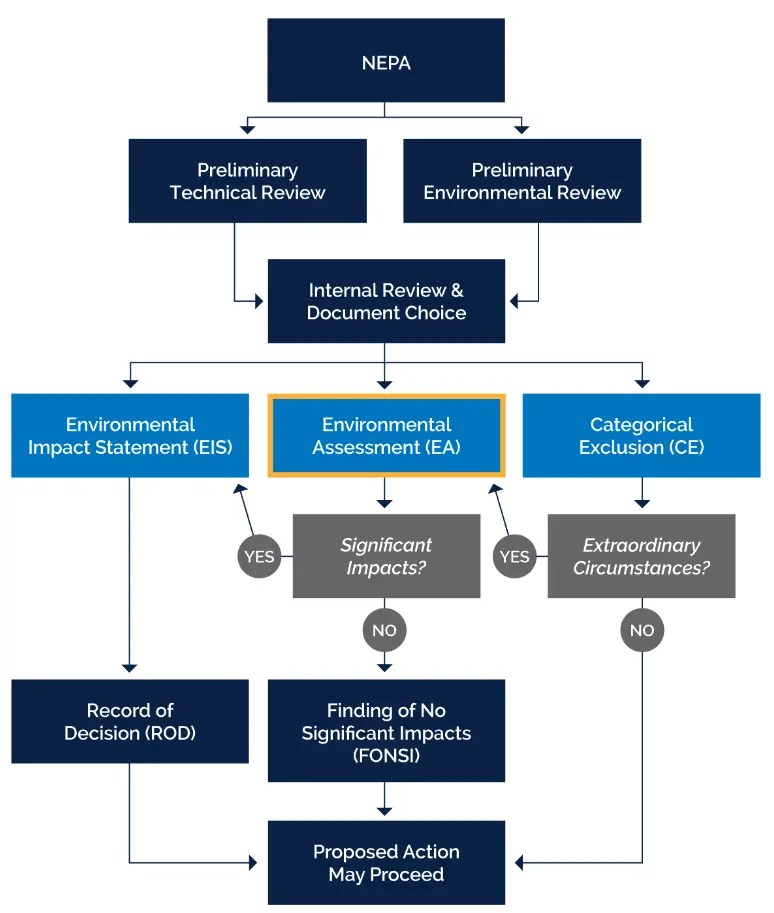
“Airports often play an important role in the economy by acting as gateways for travel, trade, and tourism. But that is just one side of the story. Airports always bring a mix of positive and negative impacts, which can vary depending on factors such as the size of the airport, its location, and the level of connectivity it provides. Usually, the first step implemented by those advocating to build new airports (or expand existing ones) is to produce documents that underline to economic benefits that will derive from such actions.These documents (environmental assessments) include tables listing mitigating steps, no action alternatives, monetary gains, jobs that will be created and multiplier effects. What you never see are the negative externalities that come along with all of that. More often than not there is a small paragraph dedicated to those.”
“Uncapped Flight Training Operations – Increased flight training operations at smaller airports can lead to significant noise and lead pollution, which negatively impacts the surrounding communities and environment. These issues often arise as smaller airports become hubs for flight schools and training activities, drawing more aircraft and intensifying operations.
– Noise Pollution
Flight training operations typically involve repeated takeoffs, landings, and aerial maneuvers. These activities can result in a high frequency of flights, often concentrated within a limited geographic area. Unlike commercial flights, which tend to have a set number of arrivals and departures, flight training can occur continuously throughout the day. Issue: The constant noise from aircraft engines, especially during low-altitude operations, can cause significant disturbances to local residents. This noise pollution can lead to a range of health issues, including stress, anxiety, sleep disturbances, and hearing loss. Over time, the persistent noise can degrade the quality of life for those living near the airport, leading to social tensions and declining property values.“
“The economic costs of ineffective environmental assessments conducted by the FAA can be substantial and multifaceted, affecting various stakeholders, including local communities, government agencies, and the aviation industry. Ineffective assessments can lead to unintended consequences, such as environmental degradation, legal challenges, and delays in infrastructure projects, all of which carry significant financial implications.”
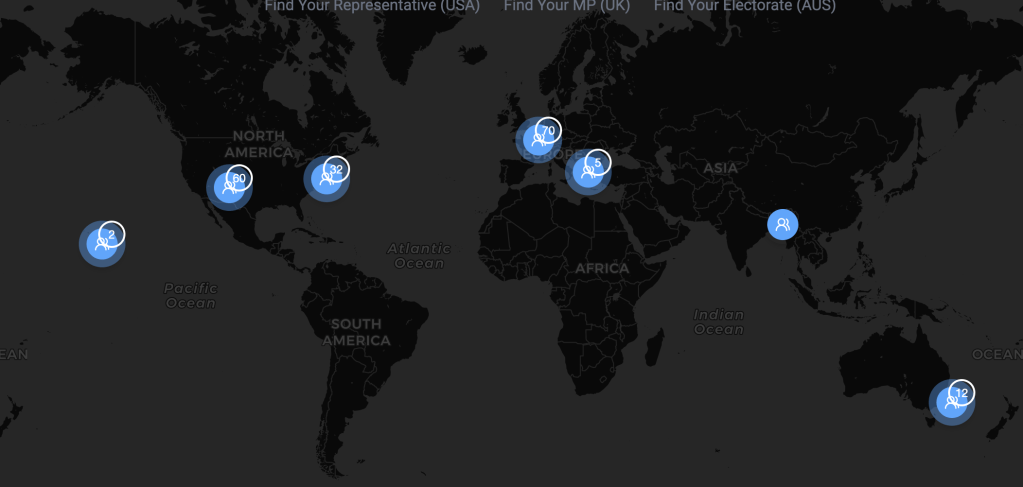
Don’t miss their Map page– explore it! We are not alone! This page shows internationally connected organizations with similar issues.
Check out their Issues page.
There is also a section in the article linked above to historical lawsuits filed over aviation issues by cities and communities.

There is also a page to find your Representatives, a Resource page, and a tag cloud page. Noise is the most tagged word.
SANeR thanks We Are Blue Skies for compiling and organizing this info into one site!
Please read and learn!






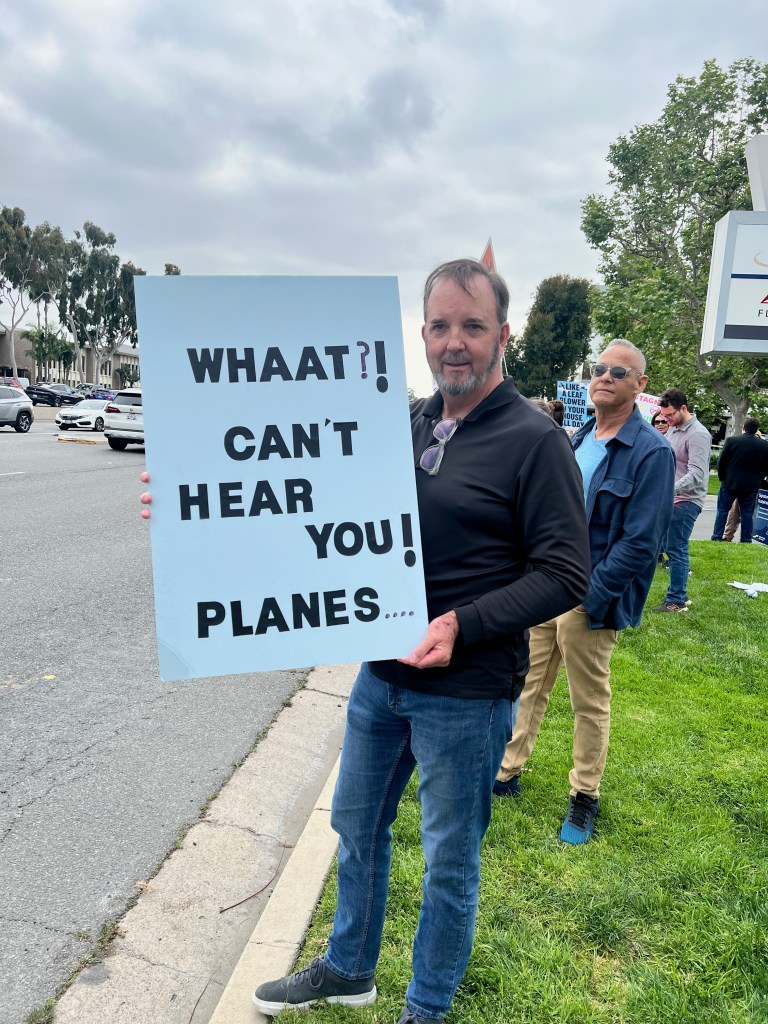
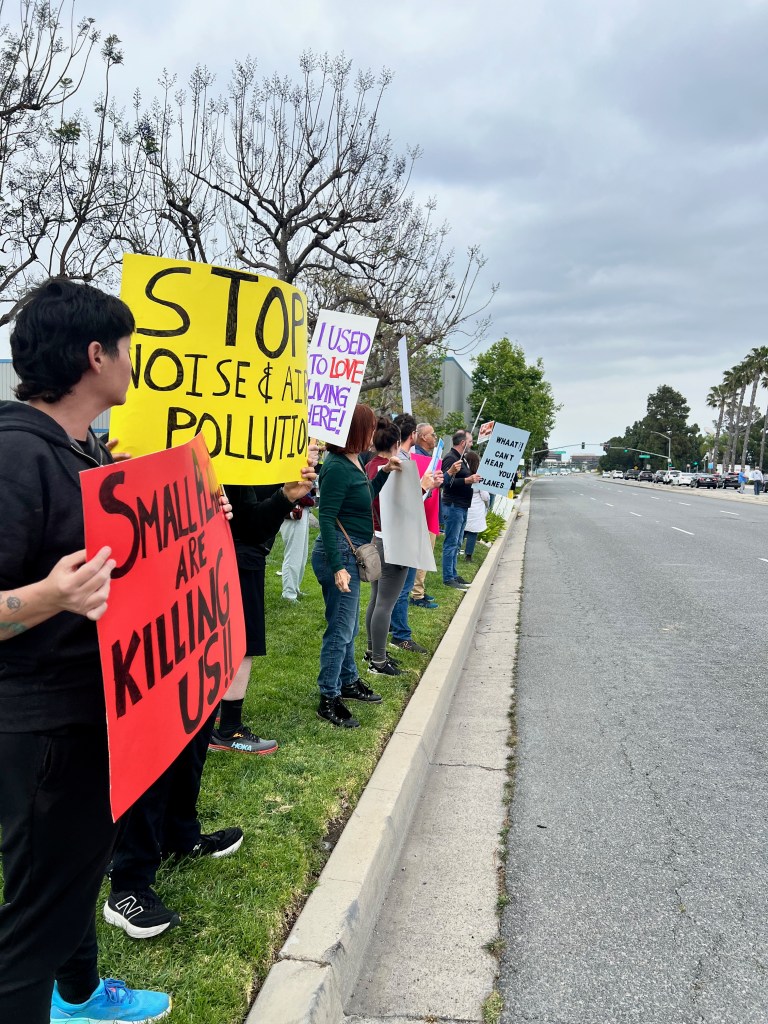
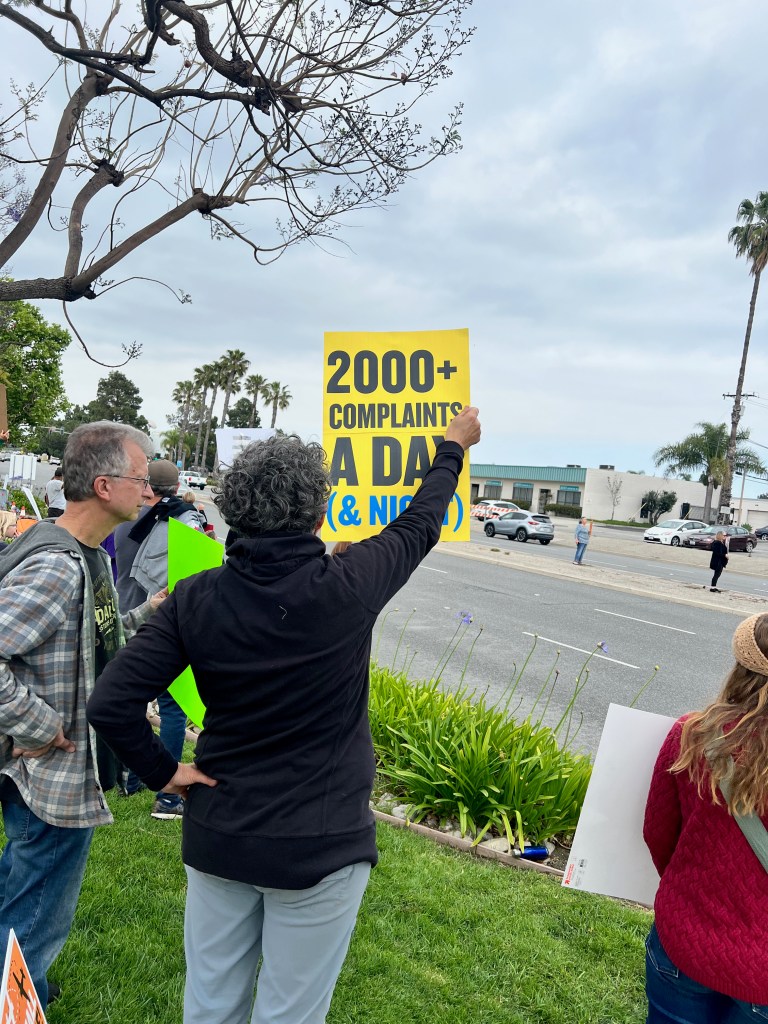
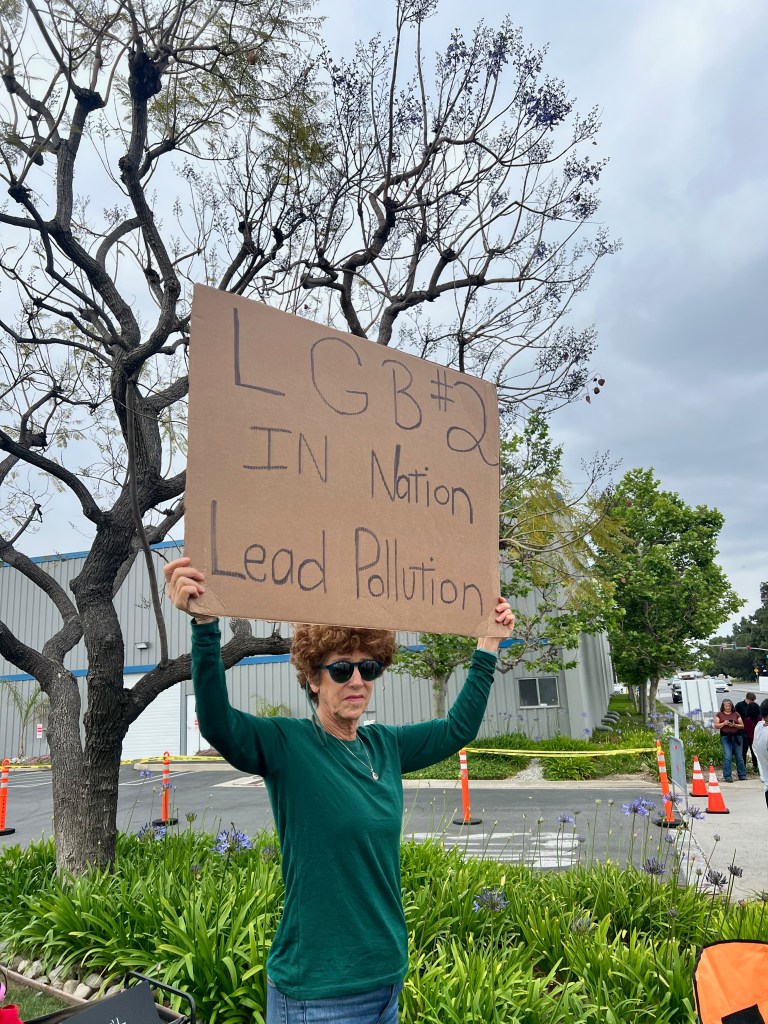
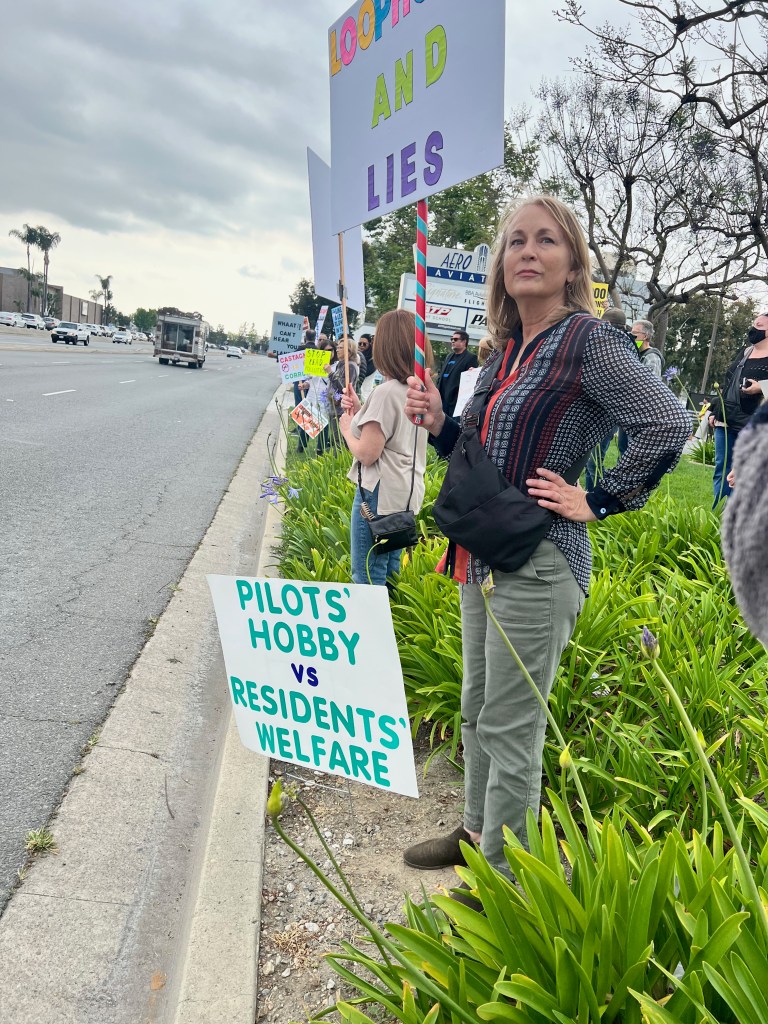
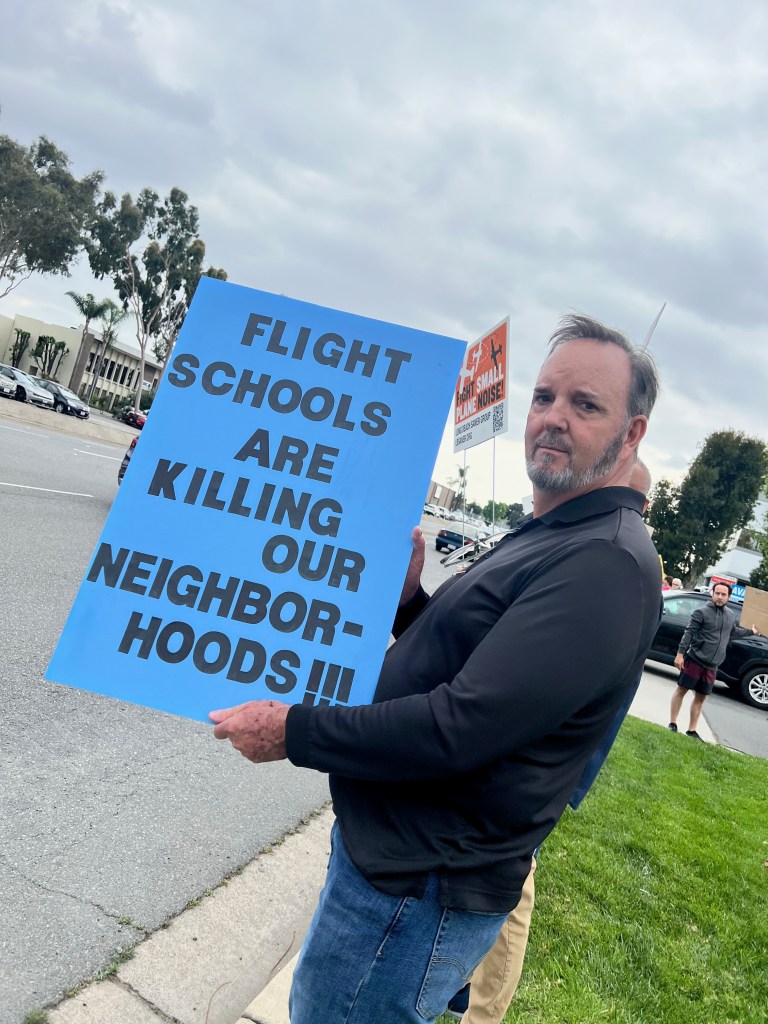
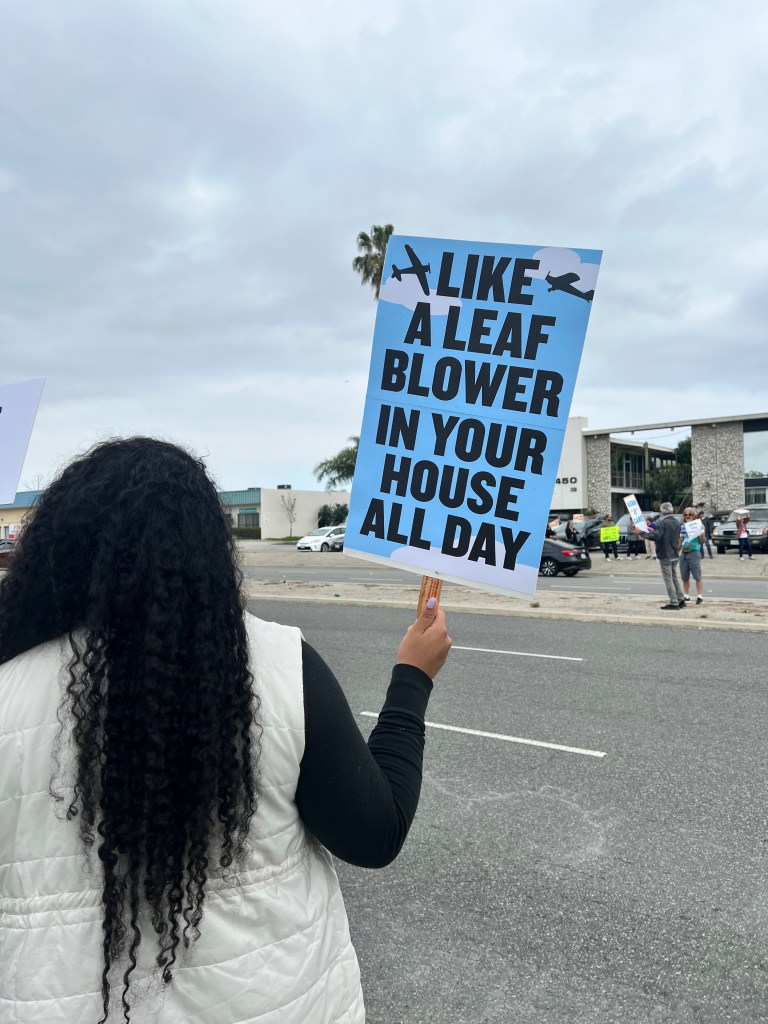


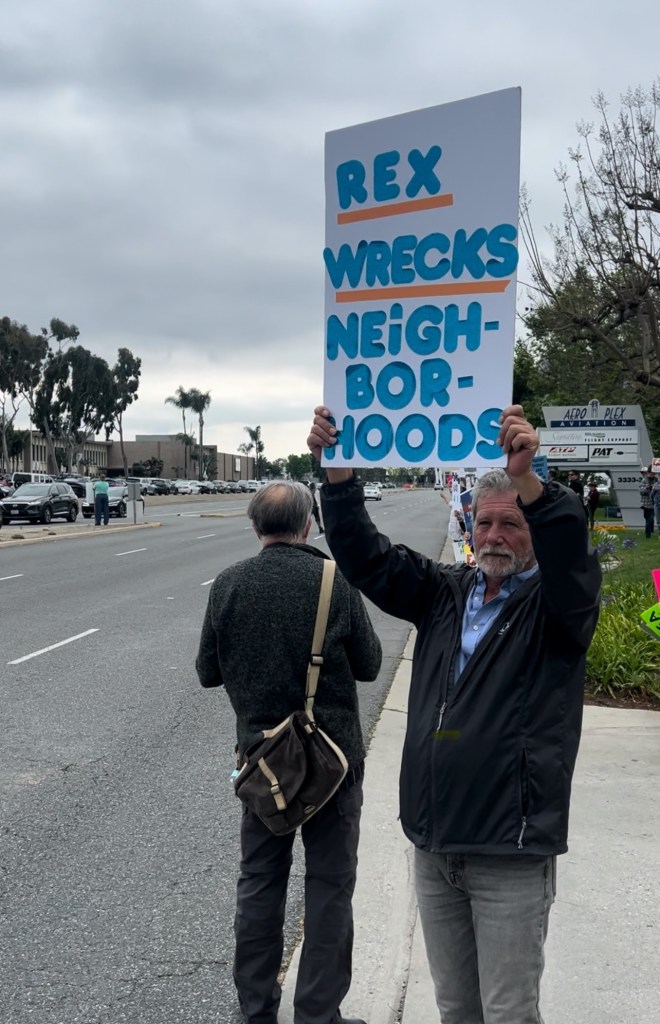



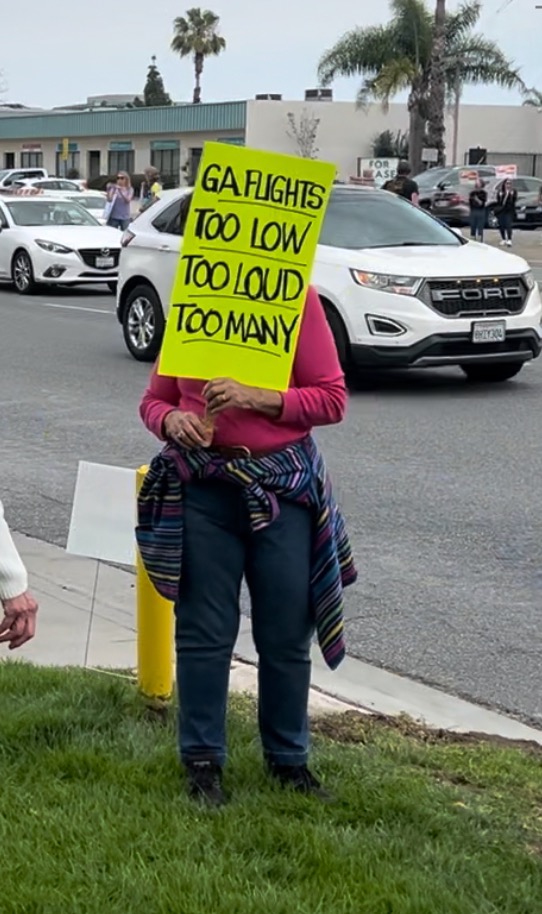
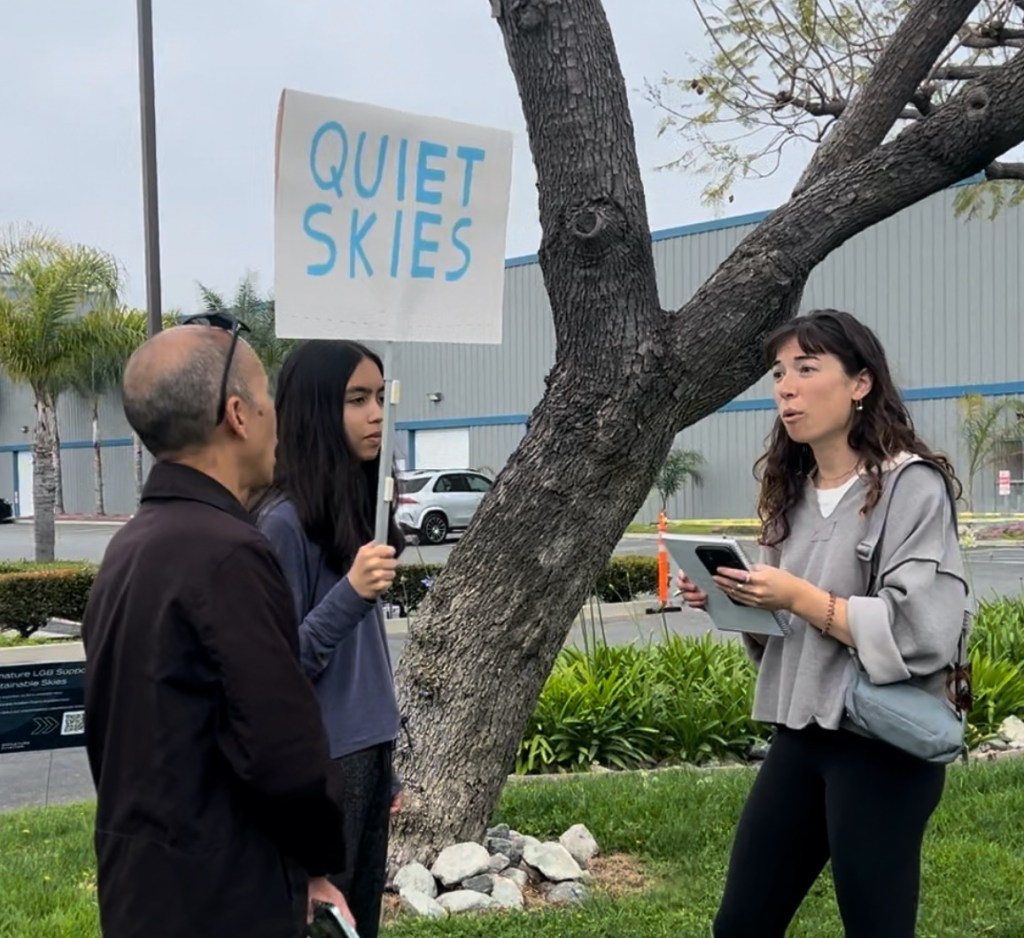

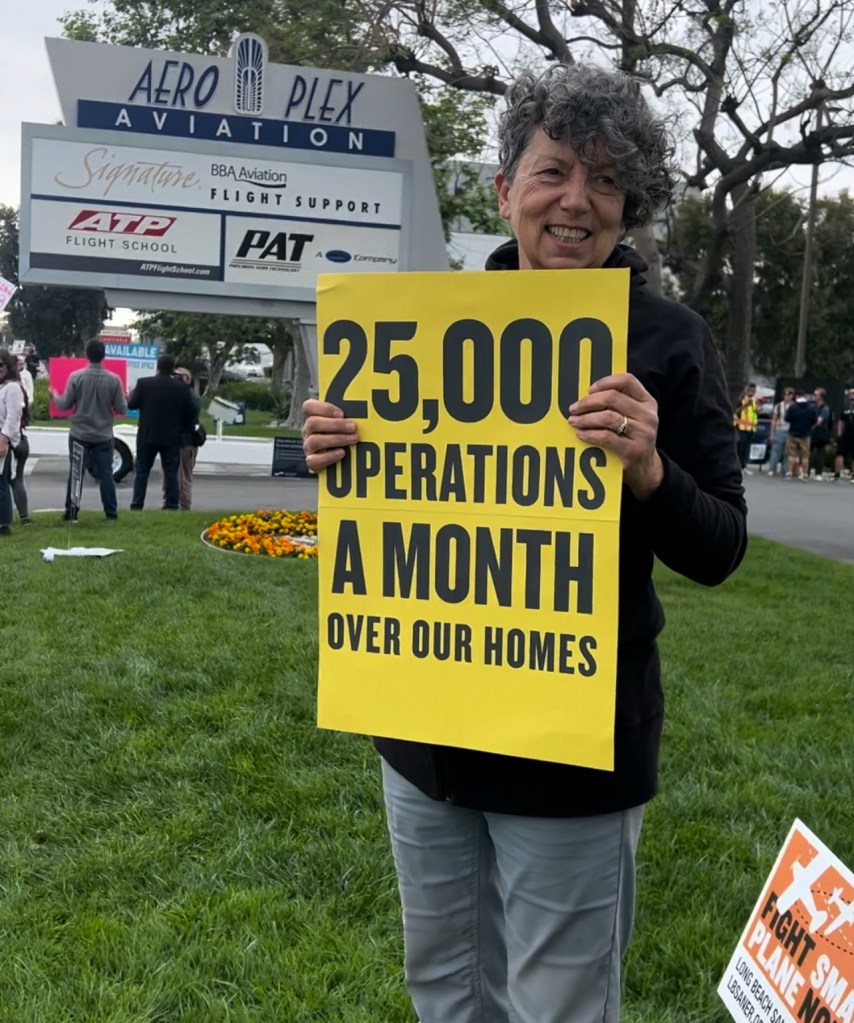
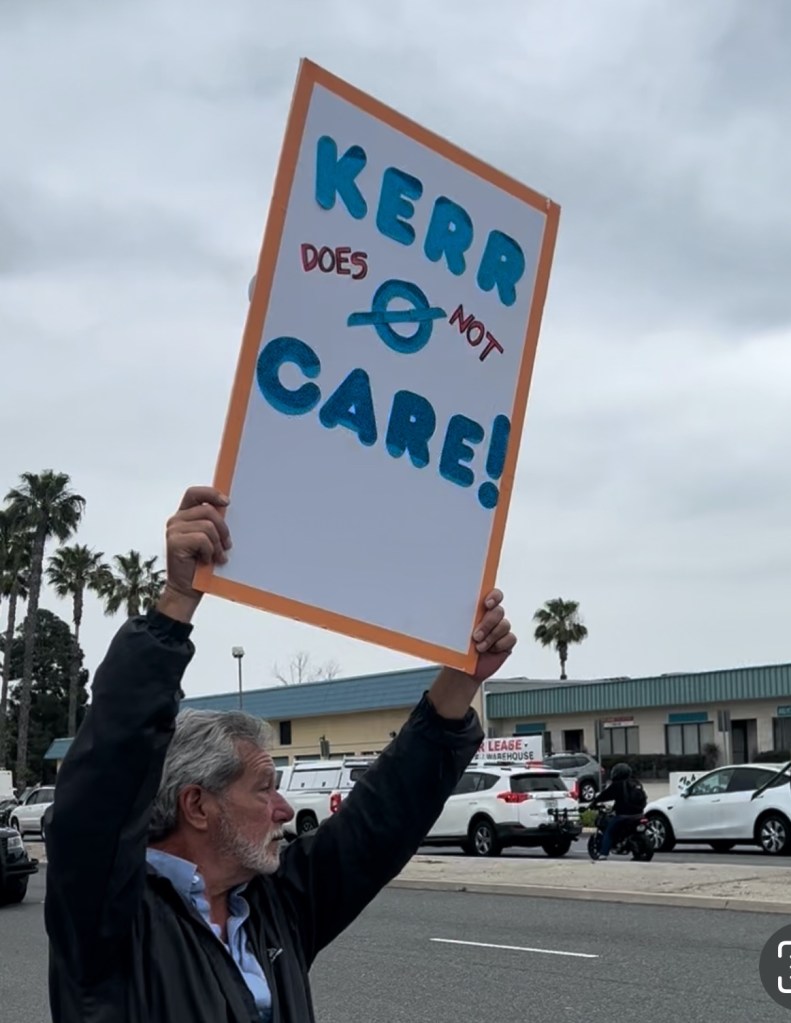




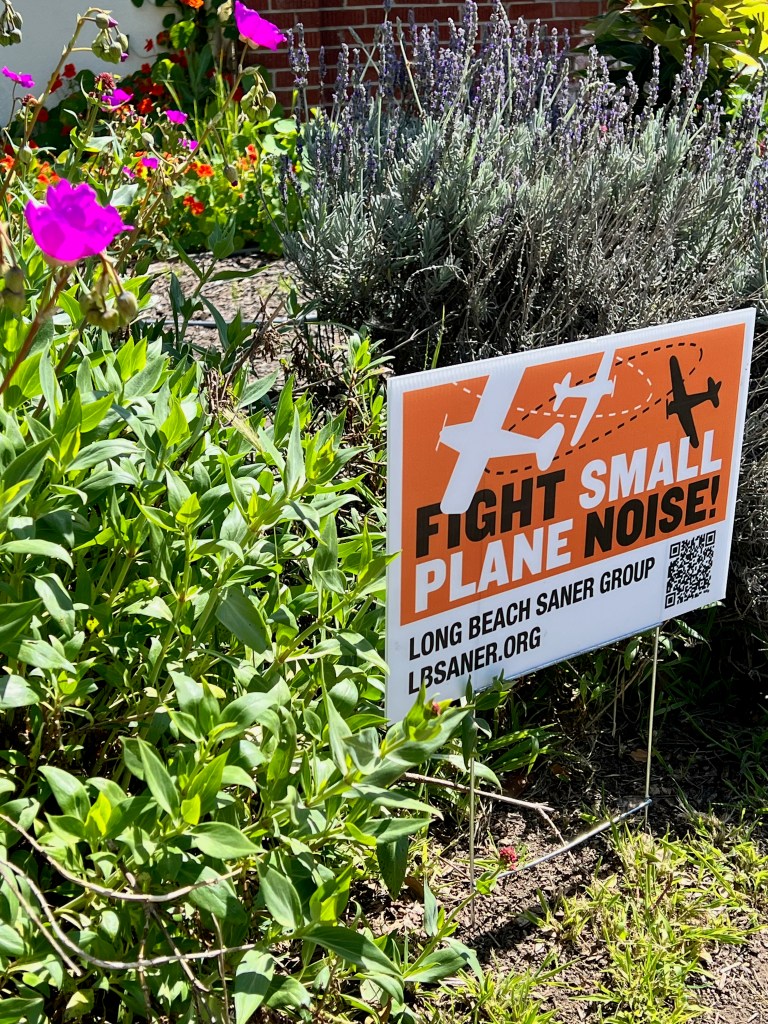
 Long Beach SANeR Group